
Cabinet installation
Cabinet Installation in Nashville, Checked From Delivery Day to Close-Out
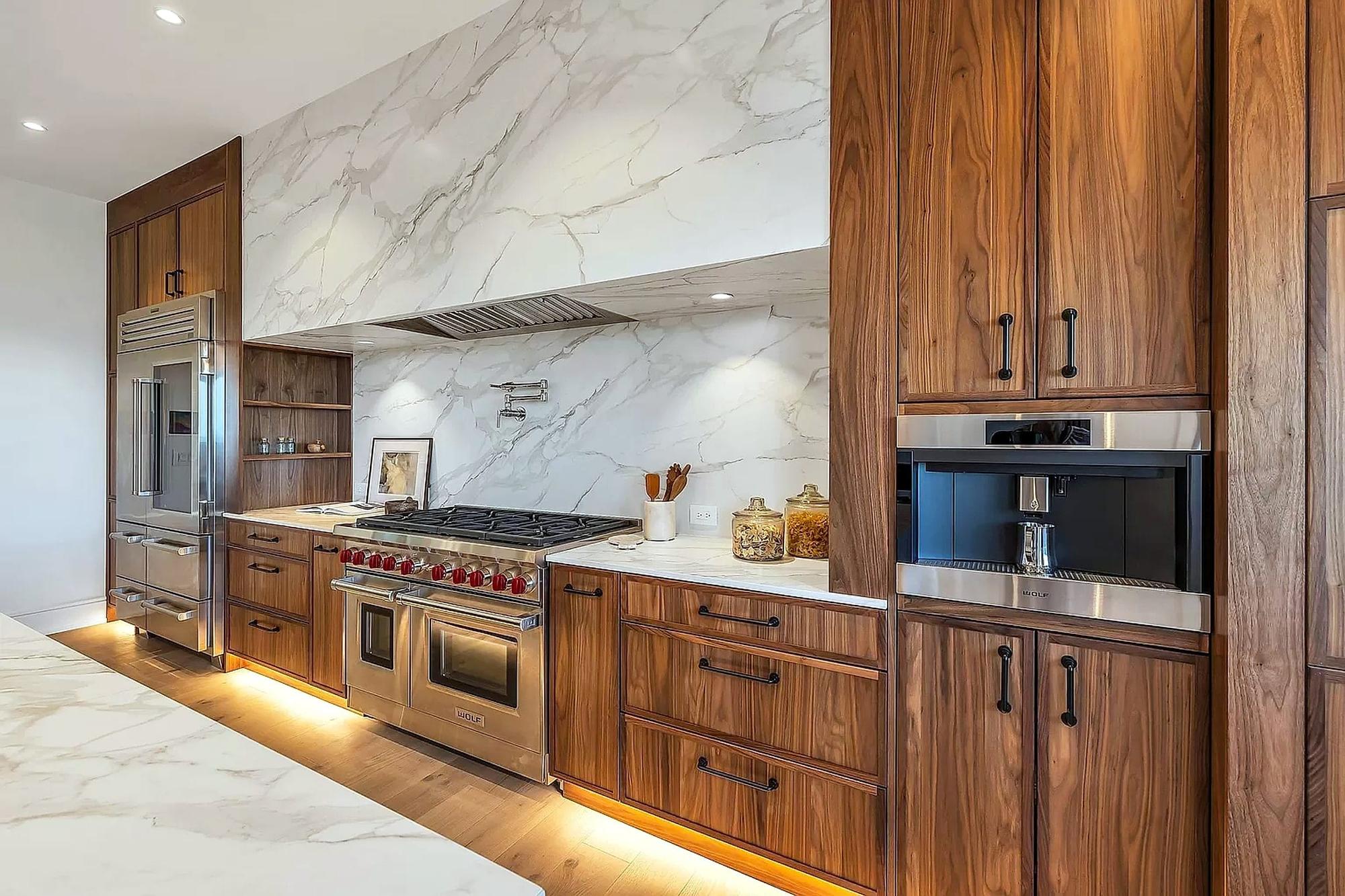
Cabinet installation in Nashville is where good cabinets either look right or do not, and we treat it as half the job.
Black Mountain Cabinetry coordinates quality cabinet installation with subcontracted installers we work with constantly, and Kraig, an owner, manages them, checks in every couple of days and closes out the project. We say that plainly because it is how the work gets done well, and because you should know who is in your home.
01
Why installation matters as much as the cabinets
In our view, even high-quality cabinets are ruined by a poor install. A well-made cabinet set crookedly shows its seams, its uneven reveals and its gaps, and no amount of good material hides that. We choose manufacturers with strict standards and then put the same standard on the installation, because the finished room is what you will see every day.
On our projects, installation is not an afterthought. It is planned during design, when we draw fillers, trim and the way cabinets meet walls and ceilings, and it is checked in the field by someone who has a stake in how it looks. Once cabinets are in, they tend to stay for a very long time, which is why we would rather spend the extra care up front.
02
Cabinet installation in Nashville: who does the work
Our cabinet installers are subcontracted craftsmen. We say that plainly, because you should know who is in your home. These are installers we work with constantly, so they know our drawings, our standards and what we expect. They are vetted, which is one of our founding goals: vetted expert installers.
Kraig is the owner who runs the field. He manages the installers and checks in every couple of days during an install. Installers always have questions, such as a wall that is out of plumb or a design detail that needs interpretation, and he is there for them. He also talks with the homeowner during the install and closes out the project. When you call us, you do not talk to a secretary; you talk to the people who are responsible for the result.
03
Installing Quick Ship, semi-custom and custom cabinets
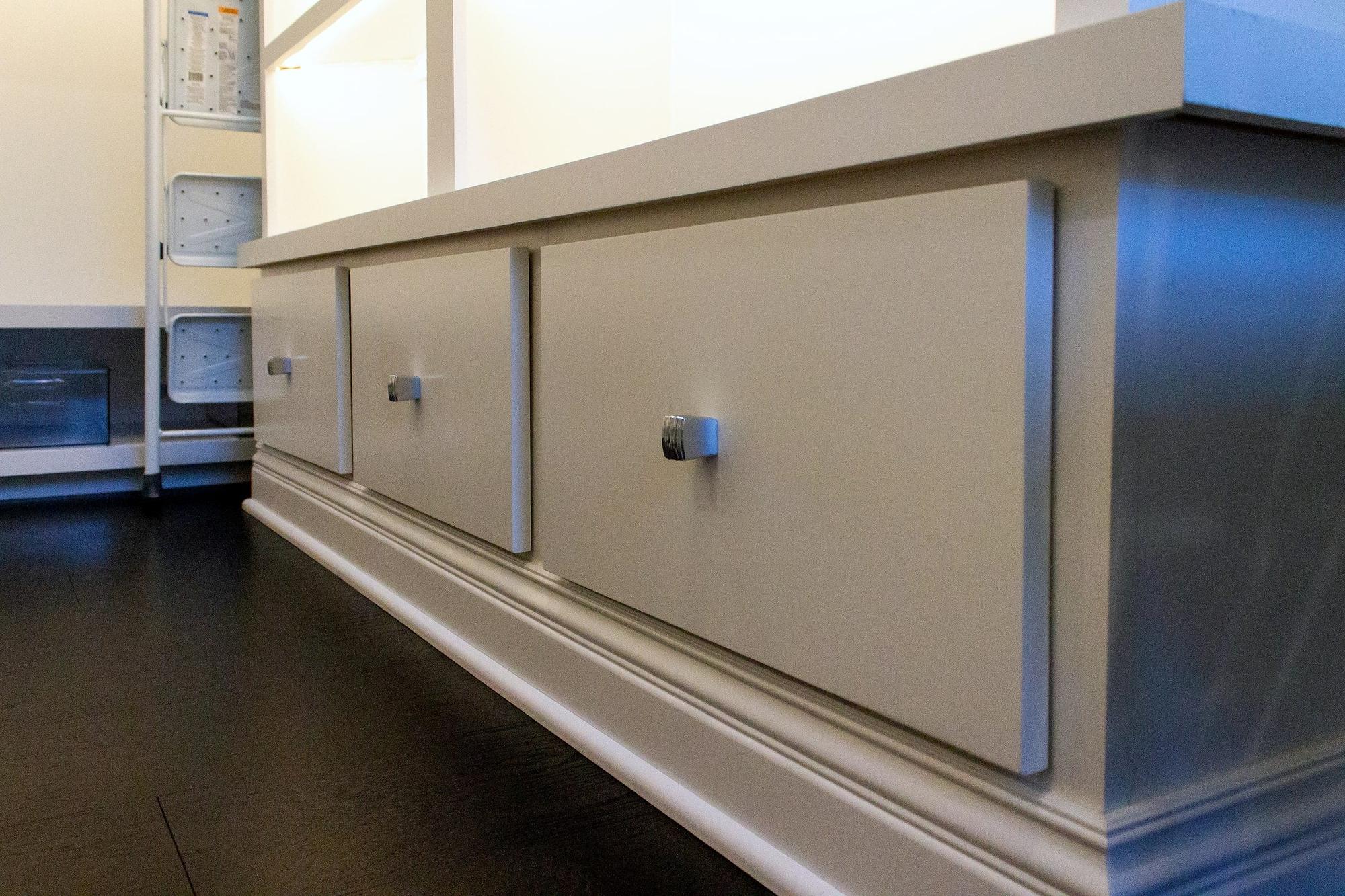
Kitchen cabinet installation looks a little different on each of our four cabinet lines. Quick Ship is the ready-to-assemble line: in general, RTA cabinets arrive flat and are assembled before they are set, and because the line has no size changes, fillers and trim do most of the work of fitting the room. Semi-custom allows some size modifications, so more of the fit is solved in the drawing before the cabinets arrive. Affordable Custom and Premium Custom are sized to the room, and fully custom work is drawn in AutoCAD, so the install follows a detailed plan.
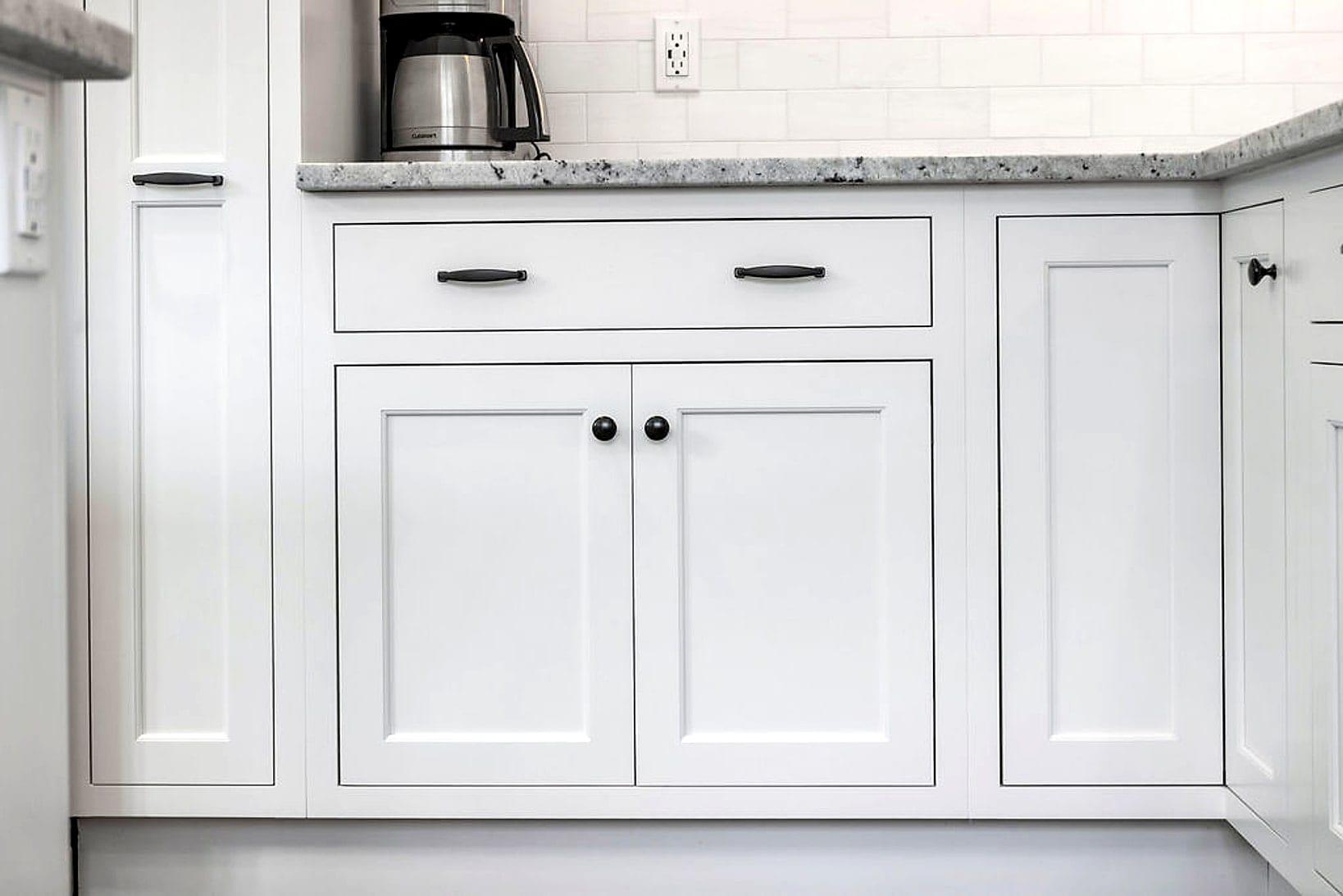
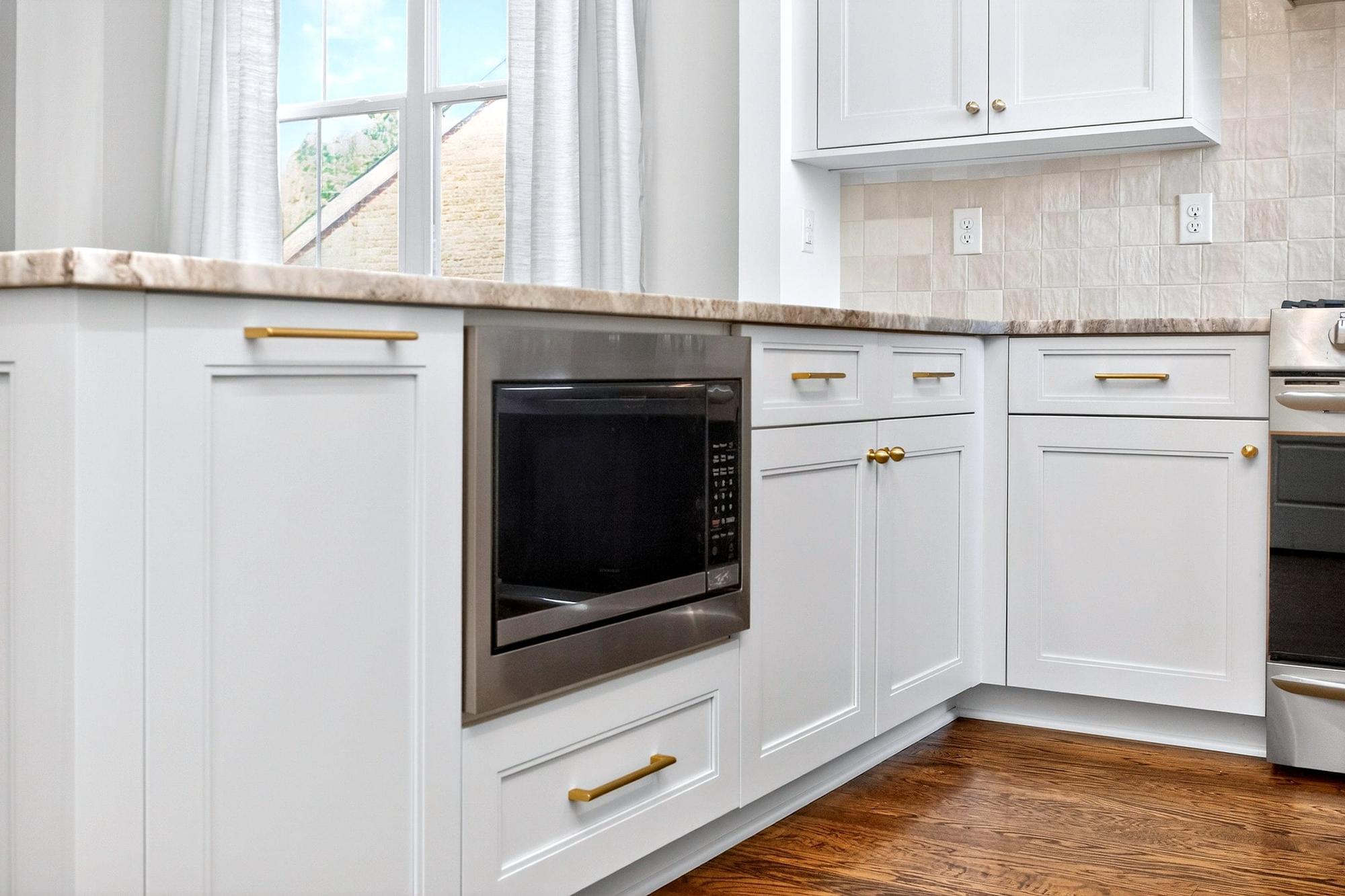
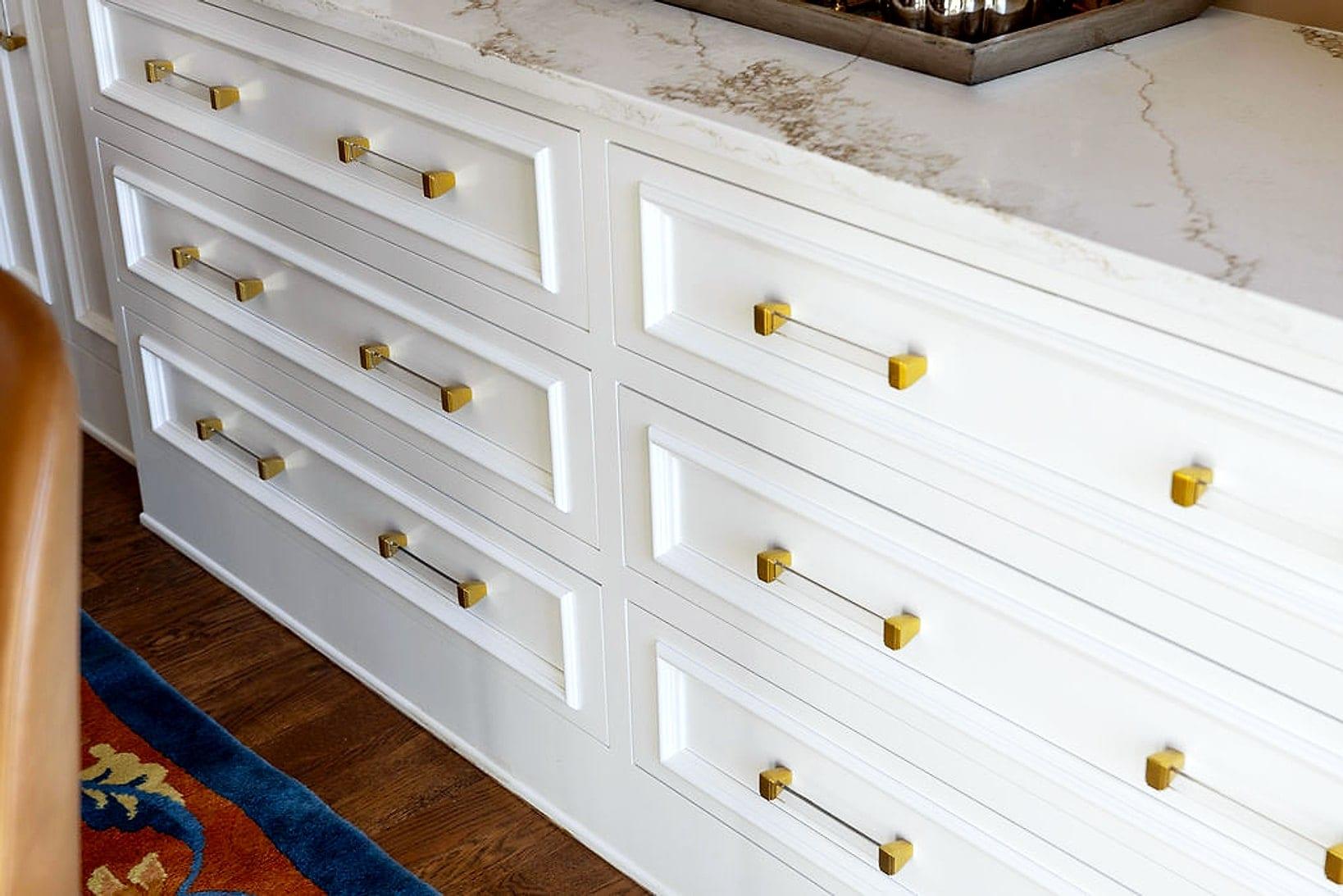
Inset cabinet installation asks the most of an installer. Every door sits inside its frame and shows a seam all the way around, so a door that is a little out of square is visible from across the room. Framed inset is the dominant request in Middle Tennessee right now, and part of why it costs more is the precision it demands from the build and from the install. Frameless cabinets have fewer seams, but they still need level runs and tight fits to the wall.
New construction and remodels differ too. In a new build, the final site measure catches framing changes and moved walls before the order is placed. In a remodel, the walls have usually settled and shifted over the years, which is where scribe-cut fits earn their cost.
04
Getting the space ready for delivery day
A clean install begins before the installers arrive. The room should be ready: drywall and paint finished, flooring in, and any plumbing and electrical changes complete, including moved outlets, switches and water lines. Cabinets are set on a finished floor, which avoids gaps and uneven surfaces underneath them. If your plans changed, tell us; our final site measure is there to catch moved walls and new-build changes before the order is placed. Our guide to timing your remodel and cabinet shopping shows where cabinets fall among the other trades.
We are there on delivery day to receive the cabinets and check every one. Opening each box, comparing it against the order and looking at the finish catches damage and mix-ups while they are easy to fix. Installation usually starts that same week, which keeps the project moving and gets the cabinets out of the way of the other trades.
It also helps to be clear about appliances. Knowing the exact models lets us size openings and panels correctly, so the installers are not guessing on site. Jodell J. wrote in a review: "When it came to install they were great about lining up all the subcontractors to minimize delays."
05
Scribe-cut or scribe molding: what a flush fit costs
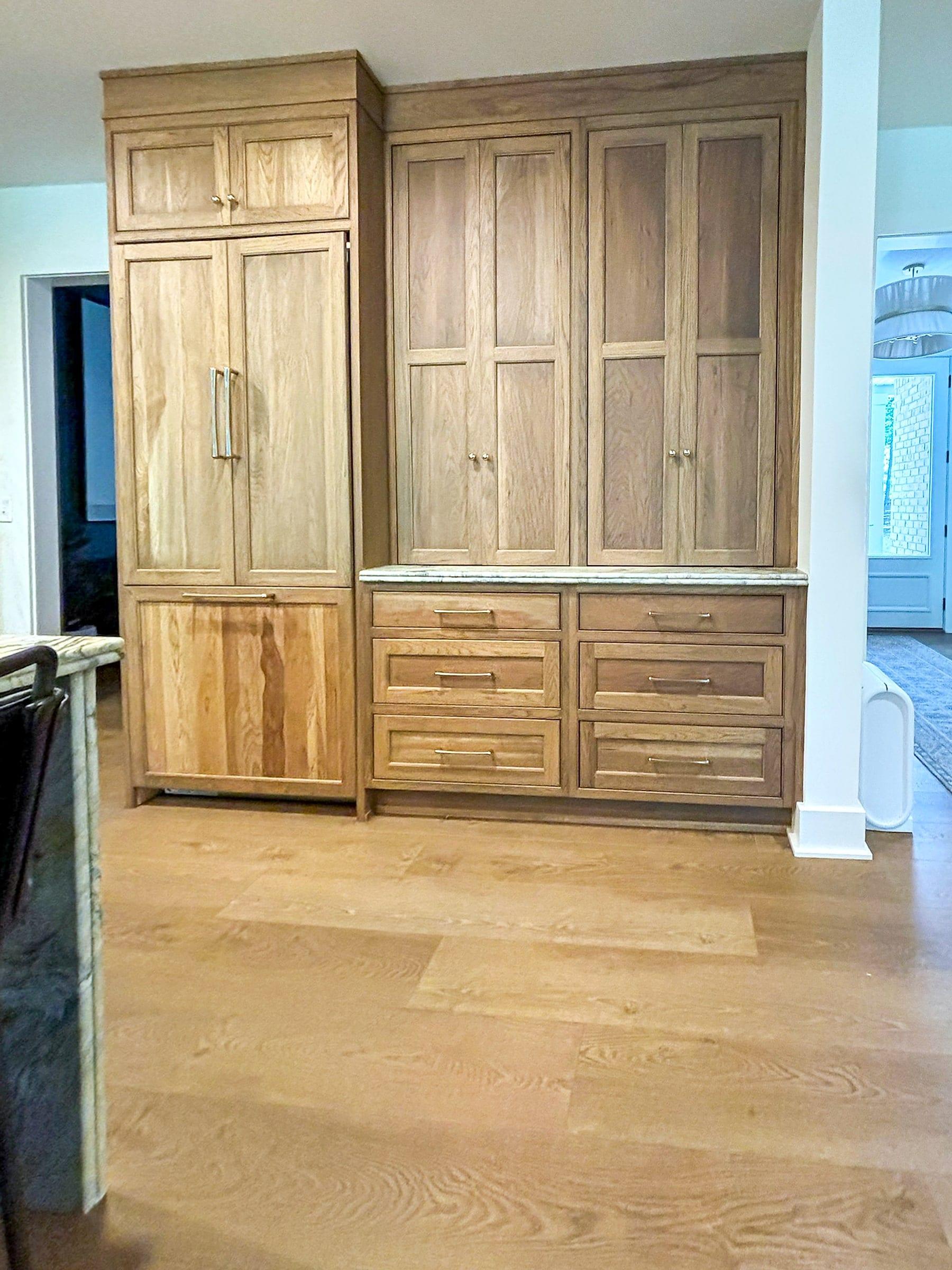
No wall is perfectly straight. Where a cabinet meets an uneven wall there will be a gap, and there are two ways to handle it. On high-quality installs, the back or side of the cabinet is scribe-cut: the edge is cut to follow the contour of the wall so the cabinet sits flush. The alternative is a scribe strip, sometimes sold as scribe molding, a matching strip that covers the gap.
Scribe-cutting costs more, because it takes more time and more care, so not every client chooses it. We explain both and let you decide where the extra cost is worth it, often on a tall pantry or a built-in that spans a whole wall. Scribe strip is a fine tool in the right place; the sign of a weaker install is scribe strip used everywhere to hide gaps.
06
Filler strips, seams and even reveals
A filler is a matching piece between cabinet and wall, and one is needed on every wall. Because drawings from architects and designers often run cabinets wall to wall without them, cabinets have to be resized to make room. We plan filler strips so both sides balance, rather than a 1-inch filler on one side and a 3-inch filler on the other.
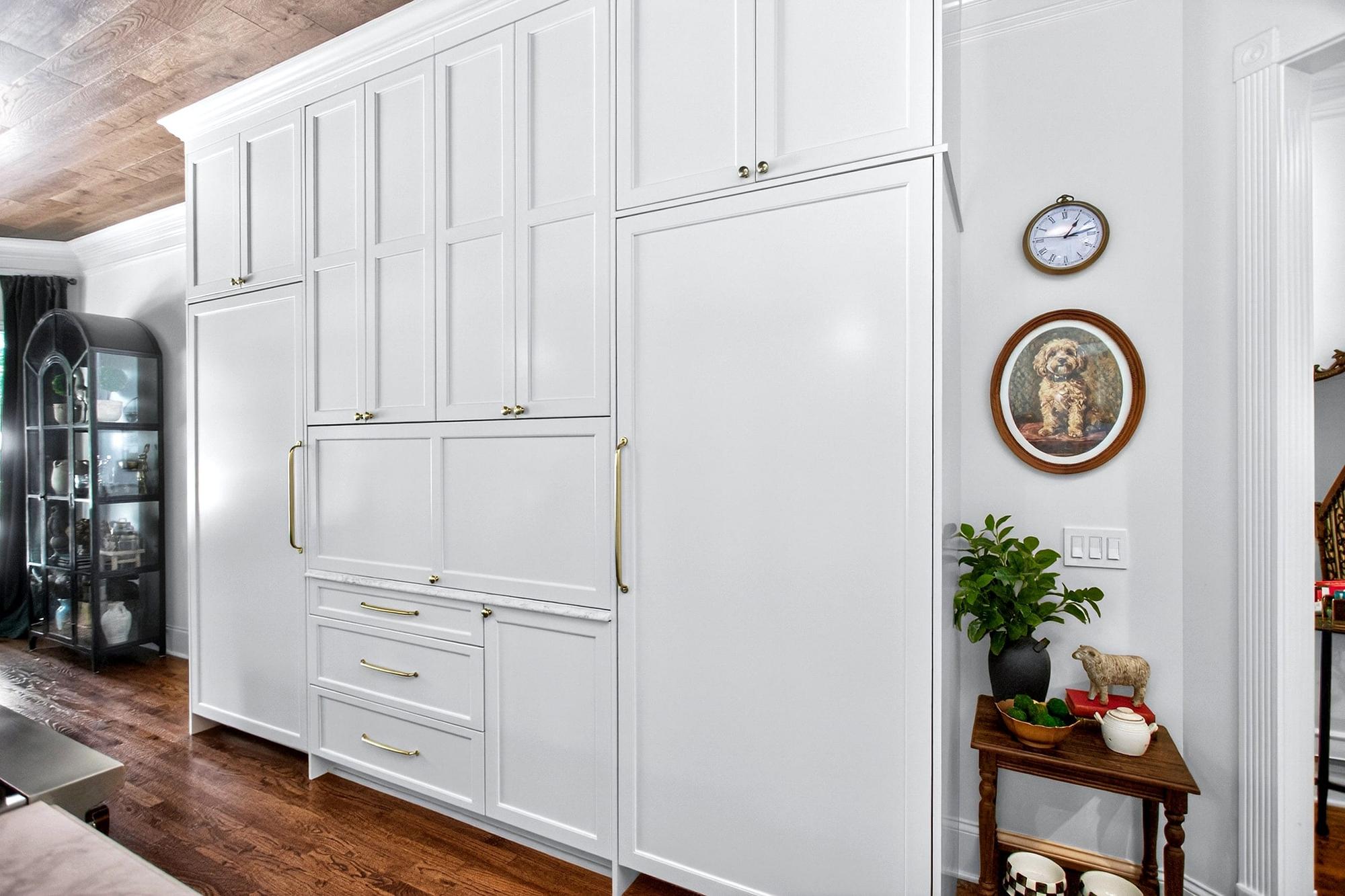
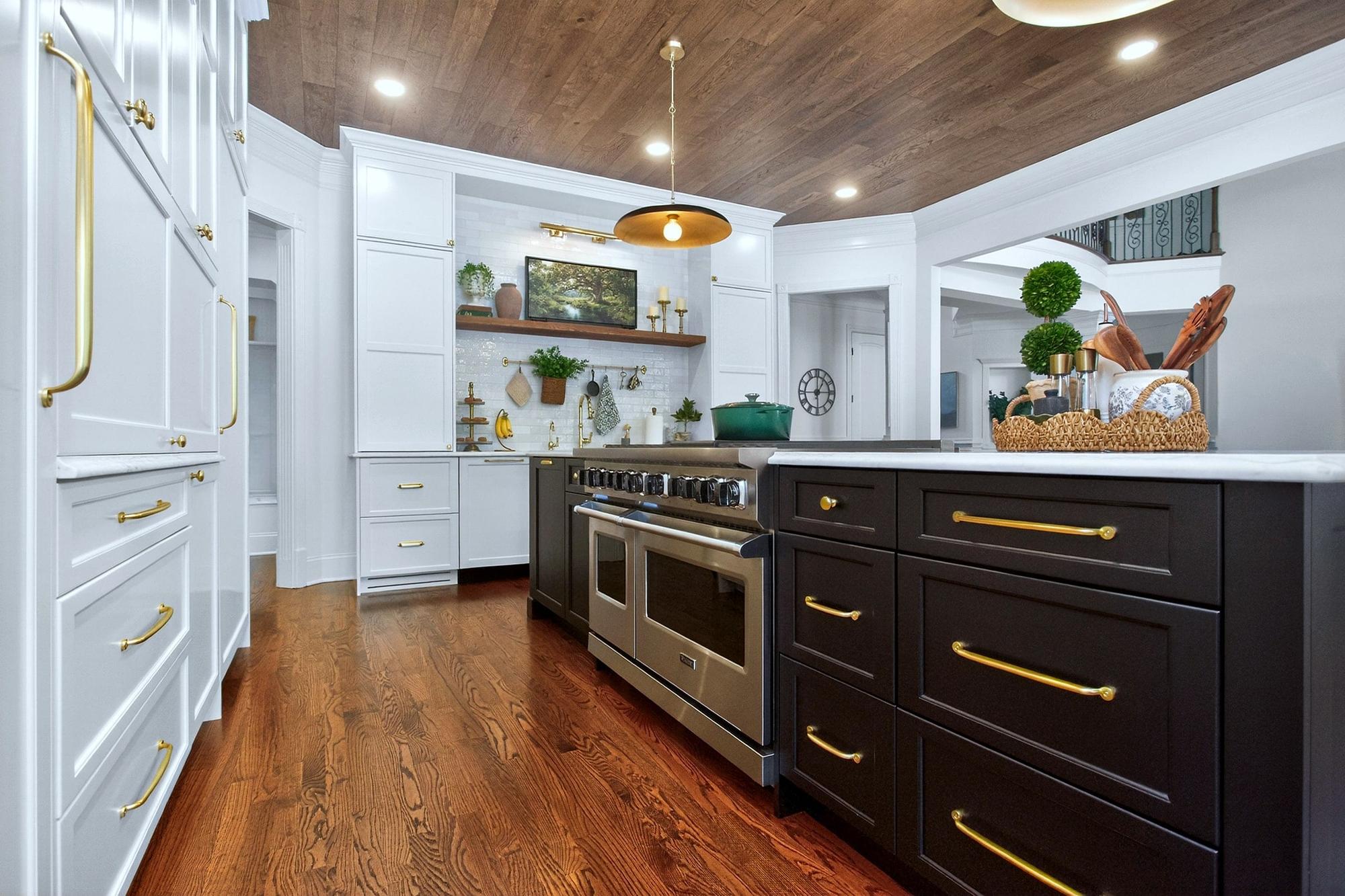
On inset cabinets, every door shows a seam, and so does every cabinet-to-cabinet joint. Even reveals, meaning consistent gaps around doors and drawer fronts, depend on both the build and the install. On the Carmel Lane kitchen, the team drew combo units built three or four cabinets together, and frames that fit into each other like a puzzle, to remove seams. See the Carmel Lane kitchen gallery to judge the result.
07
What drives cabinet installation cost
We do not publish installation prices, because no two rooms install the same way. What we can tell you is what moves the number, so the rough quote makes sense when you hear it. The rough quote comes first, before anything is measured, and we explain how each decision affects it while you can still change course.
Our advice is usually to spend where it shows. A scribed fit on a tall pantry beside the entry, or on a fireplace wall people see every day, earns its cost more than one tucked inside a laundry room. The same thinking applies to the lines themselves: high-end custom in the kitchen and a more economical line in secondary baths can be handled as one project, by one team, on one installation schedule.
- The cabinet line: ready-to-assemble boxes, semi-custom sizes and fully custom work each take different amounts of field time.
- Inset versus overlay: inset takes more precision, labor and material.
- Scribe-cut versus scribe strip: a flush, scribed fit costs more than covering gaps.
- The amount of trim, panels and detail: appliance panels, tall units and cabinets to the ceiling add work.
- The condition of the walls and floors, which the site measure records.
08
Checking the finished install, and caring for it
You can check an installation yourself. Look for uneven seams and drawer-front gaps, odd heights where adjacent cabinets do not line up, cracked face frames from drilling, and scribe strip used everywhere to hide gaps. These are the things we look for at close-out, and the things worth asking any provider about; our blog post on three questions to ask your cabinet provider is a good place to start.
A care instruction guide comes with the final contract. It follows the same advice as our cabinet care guide: wipe spills promptly with a soft damp cloth, dry right away, and keep the cabinets around sinks, ovens and dishwashers dry and clear of splatter. Avoid harsh cleaners, waxes and polishes. If you notice a chip or scratch, tell us early so it can be looked at and, where possible, touched up.
Final payment is at completion. If a callback is needed, we coordinate with the manufacturer and the installers so you have one number to call. Small hardware adjustments can be needed after normal use; call us and we will help sort them out.
From start to finish
How it runs
- 01
Delivery and inspection
We receive the cabinets and check every box on delivery day.
- 02
Installation begins
Subcontracted installers we work with constantly usually start that same week.
- 03
Field check-ins
Kraig checks in every couple of days, answers installer questions and talks with the homeowner.
- 04
Close-out
Kraig closes out the project, and final payment is at completion.
- 05
Care guide
A care instruction guide comes with the final contract.
From our projects
More of our work
Google reviews
What clients and trade partners say
“Their team made sure we could maximize the space and everything would fit. Then when it came to install they were great about lining up all the subcontractors to minimize delays.”
Jodell J.
“Cabinet orders are a big investment and have a lot of detail, it is essential to me that the vendor I bring to my client delivers a great product and great service.”
Rachael C., Interior designer
“At no point did I ever feel pressured to move forward before I was ready. They respected my timeline, answered all of my questions along the way, and allowed me to make decisions at my own pace.”
Shannon F.
FAQ
Cabinet Installation: questions we hear
Not covered here? Call 615-212-8565 and you will talk to the team, not a phone tree.
Do you have your own installers?
No, and we say so plainly: our installers are subcontracted craftsmen we work with constantly. Kraig, an owner, manages them, checks in every couple of days during an install and closes out the project. Because we use the same vetted installers again and again, they know our drawings and our standards.
Who do I call if something is wrong after install?
Call us at 615-212-8565. You reach Casey directly, not a phone tree, and we coordinate callbacks and warranty claims with the manufacturer and the installers. You do not have to chase several companies. Tell us what you see, send a photo if you can and we will take it from there.
What is the difference between scribe-cut and scribe strip?
Scribe-cutting trims the back or side of the cabinet to follow an uneven wall so it sits flush, while scribe strip, sometimes called scribe molding, is a matching strip that covers the gap. Scribe-cut looks cleaner and costs more, so not every client chooses it. We explain the tradeoff and let you pick where it matters most.
How soon after delivery does installation start?
Installation usually starts the same week the cabinets arrive. We are there on delivery day to receive and check every cabinet before the installers begin. Lead time to delivery is 2 to 10 weeks depending on the line, so the schedule depends on which line you choose and when the space is ready.
How much does cabinet installation cost?
We do not publish prices, because the cost depends on the cabinet line, inset or overlay, whether you choose scribe-cut fits, how much trim and paneling the design includes, and the condition of the walls and floors. We give a rough quote first, before measuring, and explain how each choice moves the number.
Do you install bathroom cabinets and vanities too?
Yes. We design, sell and coordinate installation of cabinetry for bathrooms as well as kitchens, with the same installers and the same delivery-day checks. Several of our projects include baths, among them Carmel Lane, Lookout Ridge and Wimbledon. See our bathroom cabinets and vanities page for more on the bath side.
How do I know if my install is high quality?
Look at the seams, gaps and heights. Even reveals around doors and drawer fronts, level and consistent heights, intact face frames and tight fits to the walls are good signs. Uneven seams, drawer-front gaps, odd heights, cracked face frames and scribe strip everywhere are signs of a poor install.
Do fillers affect the look?
Yes, fillers affect the look a lot. A filler is a matching piece between the cabinet and the wall, and it is needed on every wall. Balanced fillers on both sides look intentional; very different ones look wrong. We plan them in the drawings so the cabinets are sized correctly before they are ordered.
How involved will I be during the install?
As involved as you like. Kraig talks with the homeowner during the install and closes out the project, and he checks in with the installers every couple of days. If you are the builder, we coordinate with you and your other trades. Either way, the plan starts in the drawings on our cabinet design page, so there are few surprises.
Further reading
Start with a conversation
Tell us about the space.
Good cabinet installation in Nashville comes down to planning, skilled installers and someone checking the details from start to finish. Call 615-212-8565 or send the form and we'll talk through your project, the cabinet line that fits and what a flush, even install will take. We'll be there on delivery day, and we'll be there when it is finished.